
Learn about theBest Air Intake Systems for Industrial Buildings including intake louvers, sand trap louvers, and HVAC ventilation systems for improved airflow and indoor air quality.
Best Air Intake Systems for Industrial Buildings.
Industrial buildings such as factories, warehouses, manufacturing plants, and processing units require efficient ventilation systems to maintain safe and productive working environments. Poor air circulation can lead to excessive heat buildup, accumulation of dust and fumes, and reduced indoor air quality. Best Air Intake Systems for Industrial Buildings Best Air Intake Systems for Industrial Buildings.
One of the most critical components of an industrial ventilation system is the air intake system. Air intake systems allow fresh outdoor air to enter the building while preventing contaminants such as dust, rainwater, insects, and debris from entering. Best Air Intake Systems for Industrial Buildings
In modern industrial construction, properly designed air intake systems play a vital role in maintaining airflow balance, improving worker comfort, and protecting HVAC equipment.Best Air Intake Systems for Industrial Buildings
This guide explores the best air intake systems used in industrial buildings, including their types, working principles, benefits, and design considerations
Why Air Intake Systems Are Important in Industrial Buildings
Industrial environments often generate heat, fumes, and airborne particles during production processes. Without proper ventilation, these contaminants accumulate inside the building, affecting both workers and equipment.
Air intake systems ensure a continuous supply of fresh air into the building while maintaining airflow balance with exhaust systems.
Key benefits include:
- Improved indoor air quality
- Better temperature control
- Reduced humidity buildup
- Protection of machinery and equipment
- Compliance with occupational safety standards
Proper ventilation design helps maintain safe air movement and prevents stagnant air zones inside large industrial facilities Best Air Intake Systems for Industrial Buildings.

What Is an Air Intake System in Best Air Intake Systems for Industrial Buildings?
An air intake system is a ventilation component designed to allow fresh outdoor air to enter a building while protecting the ventilation system from environmental contaminants.
These systems typically consist of openings or ducts fitted with louvers, filters, dampers, or screens that regulate airflow.
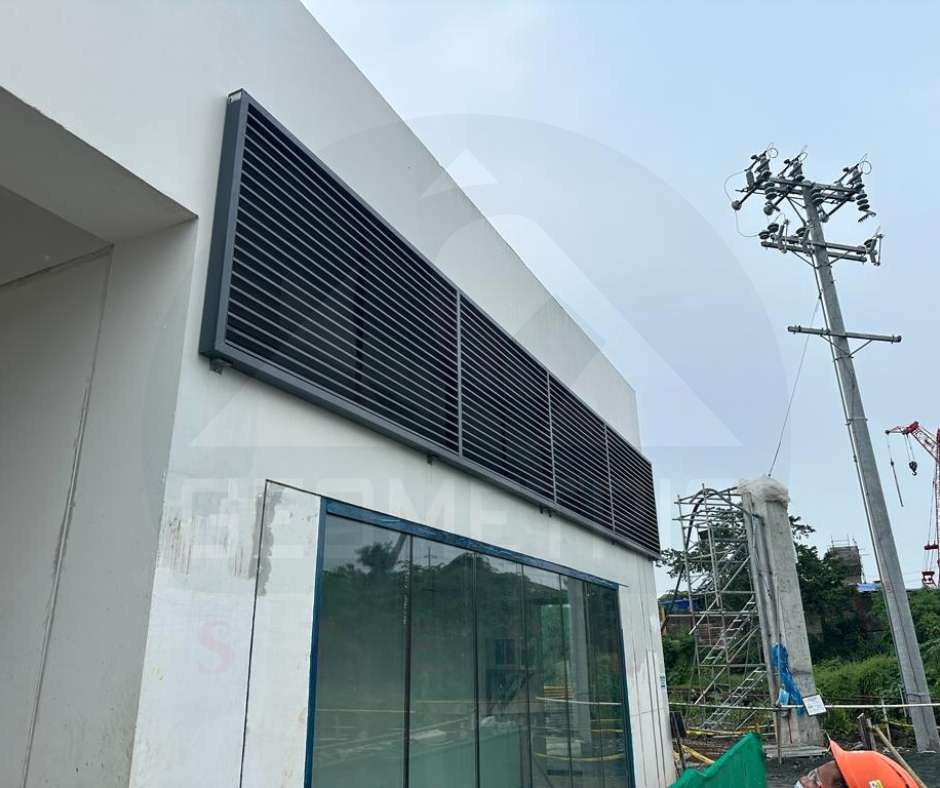
Air intake louvers are one of the most common components used in such systems because they allow airflow while blocking rain, debris, and pests.
The slanted blades in louvers help direct airflow into the building while preventing unwanted elements from entering the ventilation systemBest Air Intake Systems for Industrial Buildings.
Types of Air Intake Systems for Industrial Buildings
Industrial ventilation systems use different types of air intake solutions depending on environmental conditions and building design.
1. Air Intake Louvers
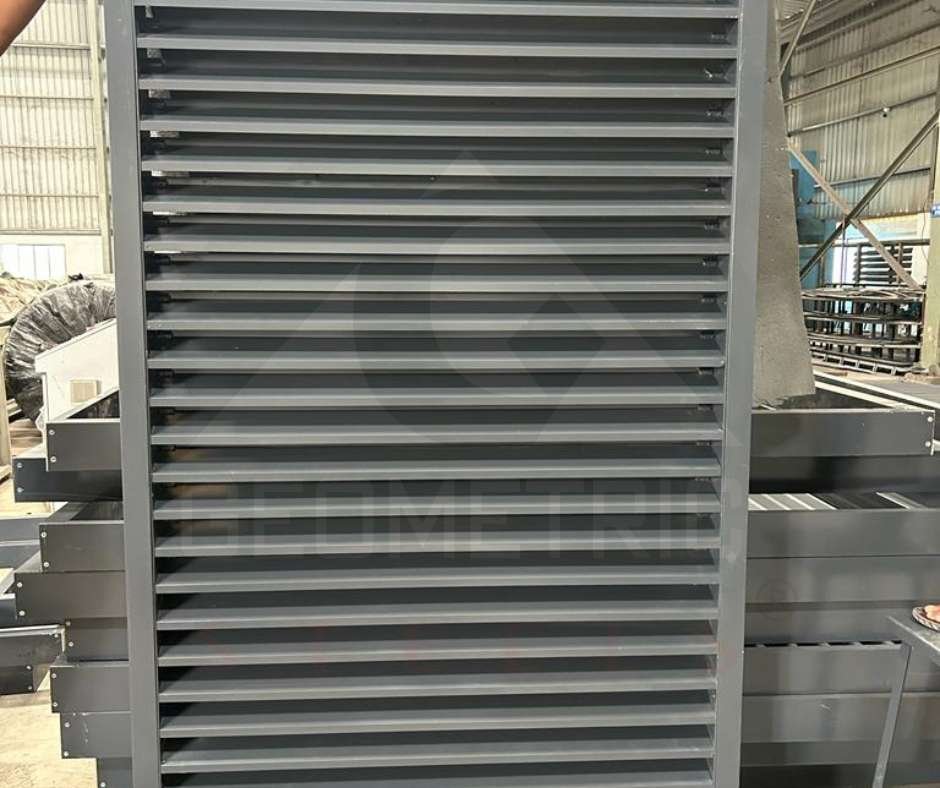
Air intake louvers are one of the most widely used ventilation solutions in industrial buildings.
They consist of angled slats that allow air to flow through while preventing rainwater and debris from entering the building Best Air Intake Systems for Industrial Buildings.
Advantages
- High airflow capacity
- Protection from rain and insects
- Durable metal construction
- Low maintenance
These louvers are commonly installed on building walls or HVAC intake openings Best Air Intake Systems for Industrial Buildings.
2. Sand Trap Louvers
Sand trap louvers are designed for environments where dust or sand particles are present in the air.
These louvers use specially designed blade structures to separate sand and dust particles before air enters the HVAC system.
The system works by directing incoming air through angled blades that cause heavier particles to fall into collection chambers Best Air Intake Systems for Industrial Buildings.
Benefits
- Prevents dust accumulation in HVAC equipment
- Improves indoor air quality
- Reduces maintenance costs
Sand trap louvers are commonly used in:
- Cement plants
- Power plants
- Mining industries
- Desert and coastal regionsBest Air Intake Systems for Industrial Buildings.
3. Filtered Air Intake Systems
Filtered intake systems combine louvers with filtration units to remove airborne particles.
These systems are commonly used in industries where air purity is essential.
Examples include:
- Pharmaceutical plants
- Food processing facilities
- Electronics manufacturing units
The filtration system ensures that clean air enters the building while harmful particles are removedBest Air Intake Systems for Industrial Buildings.
4. Mechanical Air Intake Systems
Mechanical ventilation systems use fans or blowers to pull fresh air into the building.
These systems are commonly integrated with HVAC units to maintain controlled airflow.
Features
- Controlled airflow rates
- Adjustable ventilation capacity
- Suitable for large industrial facilities Best Air Intake Systems for Industrial Buildings.
Mechanical intake systems are ideal for buildings where natural airflow alone is insufficient Best Air Intake Systems for Industrial Buildings.
5. Passive Air Intake Systems .
Passive air intake systems rely on natural airflow created by pressure differences and wind movement.
These systems are often used in combination with ridge vents or roof ventilators.
Benefits include:
- Energy efficiency
- Reduced operational costs
- Simple installation
Passive ventilation is especially effective in large industrial sheds and warehouses Best Air Intake Systems for Industrial Buildings.
Design Factors for Industrial Air Intake Systems
Designing an efficient air intake system requires careful consideration of several factors.
Airflow Requirements
The ventilation system must supply sufficient fresh air to maintain proper indoor air quality.
Engineers typically calculate airflow based on:
- building size
- number of occupants
- industrial processes
Louver Face Velocity
Engineering standards often recommend a face velocity of approximately 400 feet per minute for intake louvers to reduce water or sand ingress Air Intake.
Location of Intake Openings
Air intake openings should be positioned away from sources of contamination such as exhaust vents or industrial chimneys.
Proper placement ensures that clean air enters the building Best Air Intake Systems for Industrial Buildings.
Weather Protection
Industrial air intake systems must protect against:
- rainwater
- dust
- insects
- debris
This is why louvers are commonly used as protective components Best Air Intake Systems for Industrial Buildings.
Common Applications of Industrial Air Intake Systems
Air intake systems are used in a wide range of industrial facilities.Air Intake
Manufacturing Plants
Production facilities generate heat and fumes that require constant ventilation.Air Intake
Air intake systems ensure continuous fresh air supply.
Warehouses
Large warehouses require airflow circulation to prevent heat buildup.Air Intake
Passive ventilation systems are commonly used.
Data Centers
Cooling systems in data centers depend heavily on controlled air intake and exhaust systems.
Power Plants
Power plants require large volumes of air intake to support cooling and combustion processes.Air Intake
Advantages of Modern Air Intake Systems
Modern industrial air intake systems offer several advantages compared to traditional ventilation methods.
Improved Air Quality
Fresh air intake reduces the concentration of pollutants and improves working conditions.
Energy Efficiency
Efficient ventilation systems reduce the load on HVAC equipment.
Equipment Protection
By filtering dust and debris, intake systems extend the lifespan of HVAC units.Air Intake
Worker Comfort
Proper ventilation improves temperature control and reduces heat stress.
Future Trends in Industrial Air Intake Systems
Advancements in building engineering are leading to more intelligent ventilation systems Air Intake.
Emerging trends include:
- smart ventilation controls
- automated airflow regulation
- energy-efficient passive systems
- integration with building management systems
These innovations aim to improve ventilation performance while reducing energy consumption.Air Intake
FAQs
What is the purpose of an air intake system?
An air intake system supplies fresh air into a building while preventing dust, debris, and rainwater from entering.Air Intake
What are air intake louvers?
Air intake louvers are slatted ventilation structures that allow airflow while blocking unwanted elements.Air Intake
Where are sand trap louvers used?
They are used in dusty environments such as cement plants, mining industries, and desert regions.Air Intake
Are air intake systems necessary for factories?
Yes. Proper ventilation improves worker safety, equipment performance, and indoor air quality.Air Intake
Conclusion
Efficient ventilation is essential for maintaining safe and productive industrial environments.Air Intake
Air intake systems play a crucial role in supplying fresh air, controlling temperature, and maintaining indoor air quality.
Among the various solutions available, air intake louvers, sand trap louvers, filtered intake systems, and mechanical ventilation systems are some of the most effective options for industrial buildings.Air Intake
By selecting the right air intake system based on environmental conditions and building requirements, industries can improve operational efficiency, worker comfort, and long-term building performance.Air Intake
Visit Now For Product https://metalslouver.com/
Visit For More Info https://www.tradeindia.com/